Cultural diversity in education is more than just mixing different backgrounds in one classroom. Studies show that students in culturally diverse environments develop stronger critical thinking and creativity skills compared to those in more homogenous settings. Most people assume diversity just ticks a box but its real value is how it reshapes the entire learning experience and helps every student thrive in ways you might never expect.
Table of Contents
- Defining Cultural Diversity In Education
- The Importance Of Cultural Diversity In Learning Environments
- Exploring The Benefits Of Cultural Diversity For Students
- Key Concepts And Theories Of Cultural Diversity In Education
- Real-World Applications Of Cultural Diversity In Schools
Quick Summary
| Takeaway | Explanation |
|---|---|
| Cultural diversity enriches education. | It integrates diverse perspectives, enhancing learning experiences for every student. |
| Inclusive practices reduce prejudice. | By promoting understanding, schools help dismantle stereotypes and biases among students. |
| Implement diverse curricula thoughtfully. | Schools should incorporate multicultural materials and narratives into their curriculum to reflect student diversity. |
| Support institutional policies for diversity. | Schools need clear anti-discrimination policies to support all students and create equitable environments. |
| Empathy and critical thinking grow from diversity. | Engaging with diverse perspectives develops students’ interpersonal skills and cognitive flexibility, preparing them for global citizenship. |
Defining Cultural Diversity in Education
Cultural diversity in education represents a holistic approach to understanding, respecting, and integrating multiple cultural perspectives within learning environments. At its core, this concept goes beyond surface-level recognition of differences, focusing on creating inclusive educational spaces where every student’s background, heritage, and unique experiences are valued and celebrated.
What Cultural Diversity Really Means
Cultural diversity is not simply about acknowledging racial or ethnic differences. It encompasses a comprehensive understanding of how various cultural identities shape learning experiences, communication styles, and educational interactions. According to UNESCO, cultural diversity in education involves recognizing and embracing differences in:
- Language and communication patterns
- Social norms and behaviors
- Historical and cultural backgrounds
- Religious beliefs and practices
- Socioeconomic experiences
These diverse elements contribute to a rich, multifaceted learning environment that prepares students to navigate an increasingly interconnected global society.
The Educational Significance of Cultural Diversity
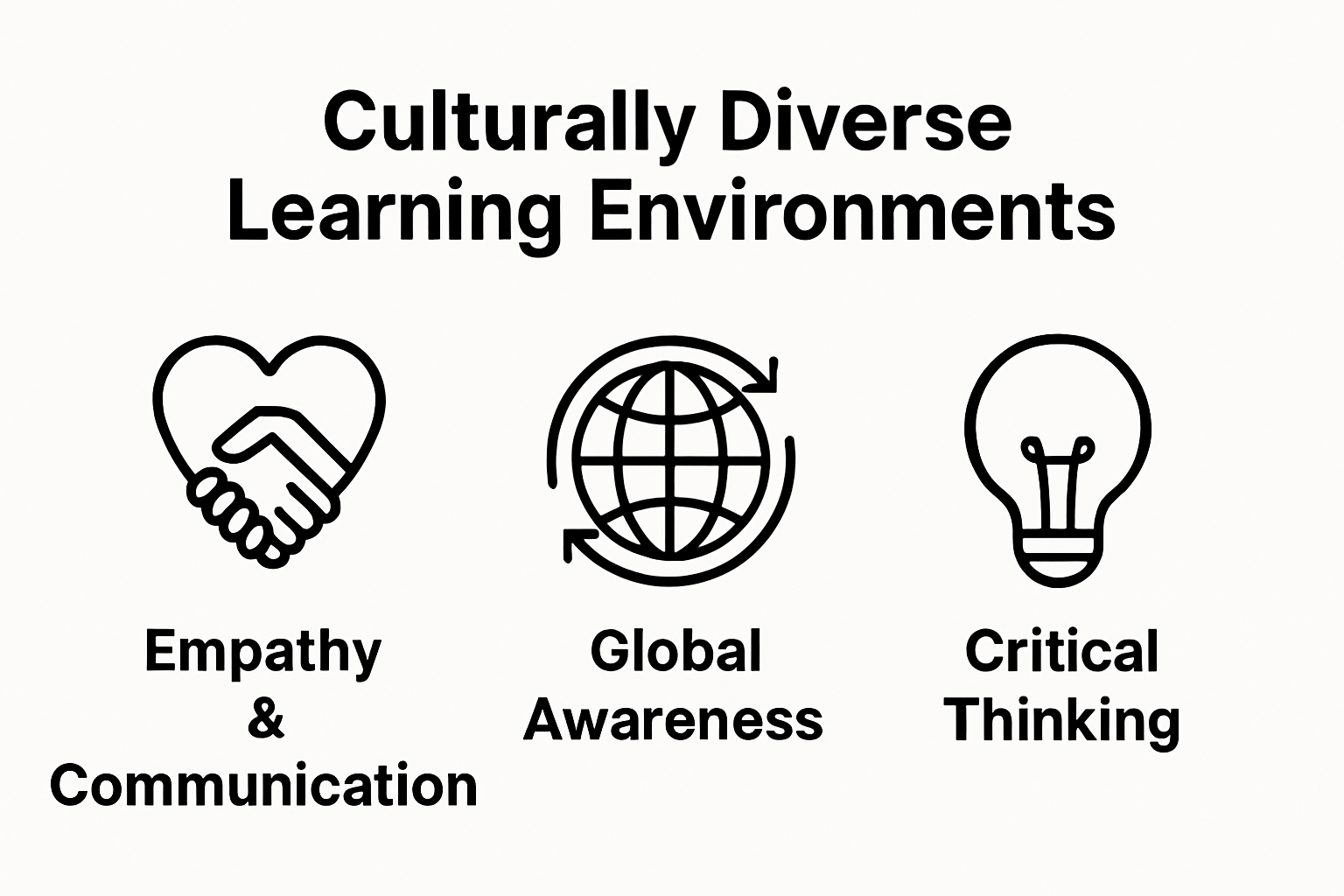
Understanding cultural diversity transforms educational settings from monolithic spaces into dynamic, adaptive learning ecosystems. Research from The National Association for Multicultural Education highlights that inclusive educational approaches help students develop critical skills such as empathy, cross-cultural communication, and global awareness.
By integrating cultural diversity principles, educational institutions can:
- Challenge stereotypes and reduce prejudice
- Enhance critical thinking and perspective-taking abilities
- Create more engaging and relevant learning experiences
- Prepare students for collaborative work in diverse professional environments
Cultural diversity in education is not a one-time initiative but an ongoing commitment to creating learning environments that recognize, respect, and leverage the unique strengths each student brings to the classroom.
The Importance of Cultural Diversity in Learning Environments
Cultural diversity transforms educational spaces from traditional classrooms into dynamic learning ecosystems that prepare students for a complex, interconnected global society. By embracing diverse perspectives, schools create environments that foster deeper understanding, critical thinking, and empathy among students from different backgrounds.
Breaking Down Barriers Through Understanding
Learning environments that prioritize cultural diversity do more than simply acknowledge differences. They actively work to dismantle barriers of misunderstanding and prejudice. According to American Psychological Association, culturally inclusive educational settings help students develop critical interpersonal skills that extend far beyond academic knowledge.
Key benefits of culturally diverse learning environments include:
- Reducing unconscious biases and stereotypes
- Developing cross-cultural communication skills
- Promoting mutual respect and empathy
- Preparing students for global professional settings
Practical Strategies for Inclusive Education
Creating truly inclusive learning environments requires intentional approaches. Educators must go beyond surface-level diversity recognition and implement strategies that genuinely integrate multiple cultural perspectives. This means designing curriculum, teaching methods, and classroom interactions that reflect and celebrate diverse experiences.
Schools can enhance cultural diversity by:
- Incorporating multicultural literature and learning materials
- Encouraging student-led discussions about cultural experiences
- Training educators in culturally responsive teaching techniques
- Creating safe spaces for dialogue and mutual understanding
By embracing cultural diversity, schools not only enrich academic experiences but also prepare students for collaborative success in an increasingly interconnected world. The goal is to create learning environments where every student feels valued, heard, and empowered to contribute their unique perspective.
Exploring the Benefits of Cultural Diversity for Students
Cultural diversity offers transformative advantages that extend far beyond traditional academic learning. Students who engage with diverse perspectives develop crucial skills that position them for success in an increasingly interconnected global society. These benefits touch multiple dimensions of personal and intellectual growth, preparing young learners to become empathetic, adaptable global citizens.
This table summarizes key benefits of cultural diversity for students, categorized into cognitive/academic and personal/social development, to illustrate the multifaceted value described in the article.
| Benefit Category | Example Benefits | Description |
|---|---|---|
| Cognitive/Academic | Critical thinking, Creative thinking, Analytic skills | Exposure to diverse views enhances problem-solving, adaptability, and complex reasoning |
| Personal/Social | Reduced prejudice, Empathy, Cross-cultural skills | Interaction with peers of varied backgrounds builds interpersonal skills and understanding |
| Global Preparation | Perspective taking, Global awareness | Prepares students to collaborate and communicate in diverse settings |
Cognitive and Academic Advantages
Diverse learning environments fundamentally enhance students’ cognitive capabilities. According to American Psychological Association, exposure to multiple cultural perspectives dramatically improves critical thinking and problem-solving skills. Students learn to approach challenges from different angles, developing intellectual flexibility that becomes a significant lifelong asset.
Key cognitive benefits include:
- Enhanced creative thinking abilities
- Improved analytical skills
- Greater intellectual adaptability
- More nuanced understanding of complex issues
Personal and Social Development
Beyond academic growth, cultural diversity profoundly impacts students’ personal and social development. Interactions with peers from varied backgrounds cultivate essential interpersonal skills that are crucial in our globalized world. Students learn to communicate effectively, challenge their assumptions, and develop genuine empathy.
Social development outcomes encompass:
- Reduced prejudice and stereotyping
- Increased emotional intelligence
- Better cross-cultural communication skills
- Enhanced capacity for understanding different perspectives
Learn more about engaging educational performances that can support cultural diversity initiatives in schools. By creating environments that celebrate differences, educational institutions prepare students not just for academic success, but for meaningful participation in a diverse, interconnected world.
Key Concepts and Theories of Cultural Diversity in Education
The landscape of cultural diversity in education is shaped by robust theoretical frameworks that provide meaningful insights into how educational institutions can create inclusive, equitable learning environments. These conceptual models offer educators strategic approaches to understanding and implementing culturally responsive teaching practices.
Foundational Theoretical Perspectives
Several seminal theories have significantly influenced our understanding of cultural diversity in educational settings. According to National Institutes of Health, researchers have developed comprehensive models that examine how cultural identity intersects with learning experiences.
Key theoretical frameworks include:
- Banks’s Multicultural Education Theory
- Ladson-Billings’ Culturally Relevant Pedagogy
- Critical Race Theory in Education
- Sociocultural Learning Theory
Implementing Theoretical Frameworks
These theoretical perspectives provide more than academic concepts. They offer practical blueprints for transforming educational environments. Each framework emphasizes different aspects of cultural integration, from recognizing systemic inequalities to developing teaching strategies that validate students’ cultural experiences.
Below is a comparison table highlighting key theoretical frameworks of cultural diversity mentioned in the article, along with their core focus and impact on educational settings.
| Theoretical Framework | Core Focus | Impact on Education |
|---|---|---|
| Banks’s Multicultural Education Theory | Integrating multiple cultural perspectives | Guides inclusive curriculum and acknowledging diversity |
| Ladson-Billings’ Culturally Relevant Pedagogy | Validating students’ cultural backgrounds | Promotes academic success and cultural competence |
| Critical Race Theory in Education | Addressing systemic inequalities | Encourages recognition and challenge of institutional bias |
| Sociocultural Learning Theory | Impact of social and cultural context on learning | Shows how learning is shaped by cultural interactions |
Critical implementation strategies involve:
- Designing curriculum that reflects multiple cultural perspectives
- Creating classroom environments that honor diverse learning styles
- Developing assessment methods that are culturally responsive
- Encouraging student narratives and cultural storytelling
Explore engaging educational performances that can help bring these theoretical concepts to life. By understanding and applying these theoretical frameworks, educators can create learning environments that truly celebrate and leverage cultural diversity as a fundamental strength in educational development.
Real-World Applications of Cultural Diversity in Schools
Real-world implementation of cultural diversity transforms educational institutions from theoretical concepts into practical, meaningful learning environments. Schools are increasingly adopting comprehensive strategies that move beyond surface-level acknowledgment to create genuinely inclusive spaces where every student’s background is respected and celebrated.
Curriculum and Instructional Strategies
Cultural diversity in schools requires deliberate, systemic approaches to curriculum design and instruction. According to American Psychological Association, effective implementation involves developing responsive educational frameworks that recognize and integrate students’ diverse cultural experiences.
Key curriculum transformation strategies include:
- Incorporating multicultural literature and historical perspectives
- Designing lesson plans that reflect diverse cultural narratives
- Using multilingual instructional materials
- Developing teaching methods that accommodate different learning styles
Institutional Support and Policy Development
Successful cultural diversity integration requires more than classroom strategies. Schools must develop comprehensive institutional policies that support and protect students from diverse backgrounds. This involves creating supportive infrastructures that address potential barriers and promote equitable educational experiences.
Institutional support mechanisms encompass:
- Establishing clear anti-discrimination policies
- Providing cultural competency training for educators
- Creating mentorship programs for students from underrepresented groups
- Developing inclusive student support services
Explore engaging educational performances that can help schools create dynamic, culturally responsive learning environments. By implementing these strategies, educational institutions can transform cultural diversity from a conceptual ideal into a lived, meaningful educational experience.
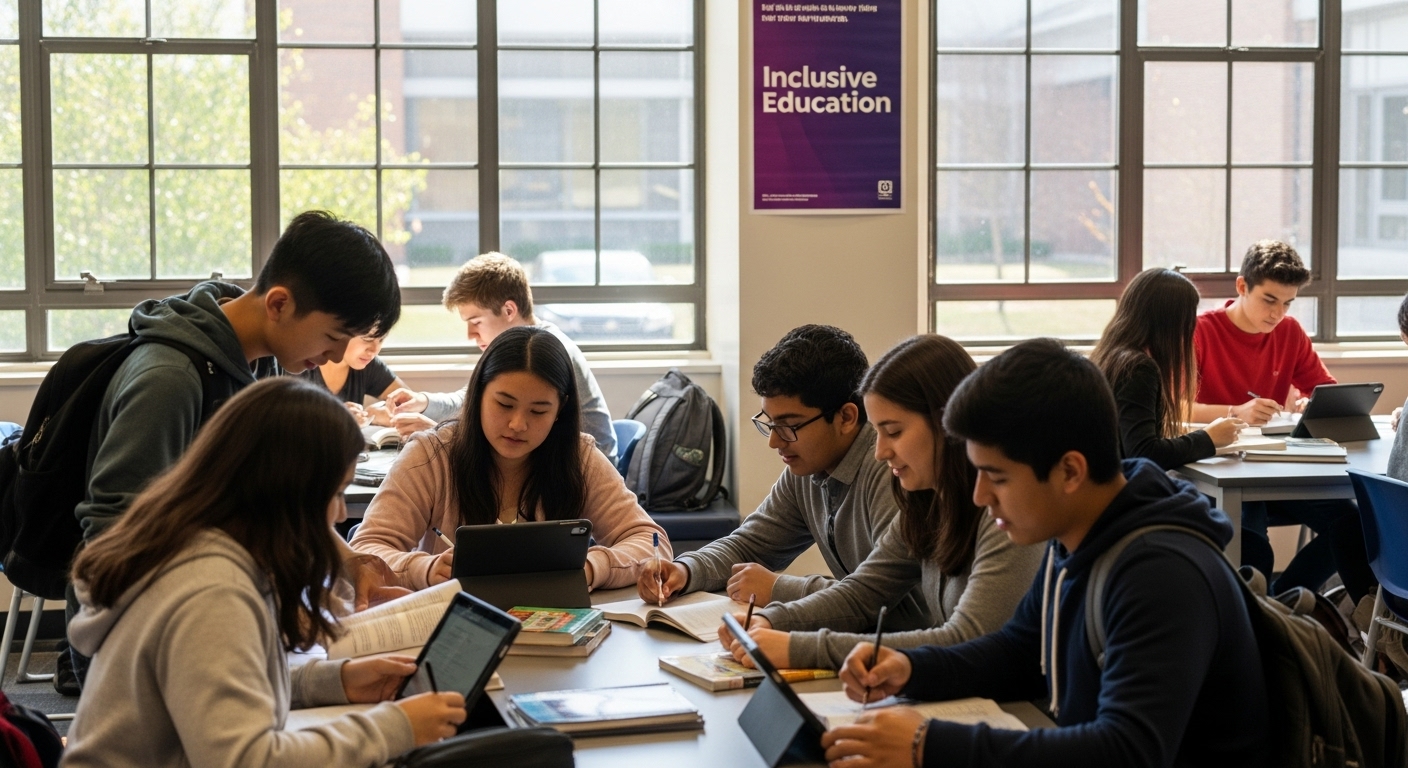
Bring Cultural Diversity to Life in Your School Community
Are you striving to create a classroom that not only recognizes but truly celebrates cultural diversity? The article highlights how real change requires going far beyond textbooks, encouraging environments where every student feels seen and valued. Yet, integrating meaningful multicultural experiences can feel overwhelming for busy schools, especially when resources are limited and engagement is key.
Just imagine the impact of live or virtual programs that turn cultural understanding into interactive learning. Academic Entertainment is your trusted partner for customizable assemblies and performances that directly support your cultural diversity goals discussed in the article. From vibrant music and dance shows to impactful character education, our engaging school programs offer immersive experiences that help reduce stereotypes, boost empathy, and spark global awareness.

Take the next step toward a more inclusive school culture. Visit Academic Entertainment to explore our extensive lineup and see how our targeted assemblies align with your diversity and inclusion initiatives. Availability fills quickly, so book now to ensure your students benefit from unforgettable events that reinforce everything you are already teaching about the power of cultural diversity.
Frequently Asked Questions
What is cultural diversity in education?
Cultural diversity in education refers to the understanding and integration of various cultural perspectives within learning environments, focusing on creating inclusive spaces where all students’ backgrounds and experiences are valued.
Why is cultural diversity important in learning environments?
Cultural diversity enriches educational settings by fostering critical thinking, empathy, and global awareness among students. It prepares them to thrive in an interconnected world and reduces biases and stereotypes.
How can educators implement cultural diversity in the classroom?
Educators can implement cultural diversity by incorporating multicultural literature, encouraging student discussions about cultural experiences, training in culturally responsive teaching, and creating safe spaces for dialogue.
What are the cognitive benefits of cultural diversity in education?
Cultural diversity enhances cognitive abilities by improving critical thinking, problem-solving skills, and intellectual flexibility, allowing students to approach challenges from multiple perspectives.
Recommended
- Why is Music Important in Schools – Academic Entertainment
- The Ultimate List of School Assembly Funding Sources – Academic Entertainment
- More States Are Requiring Transgender History Lessons – Academic Entertainment
- What Is A Virtual Field Trip? – Academic Entertainment