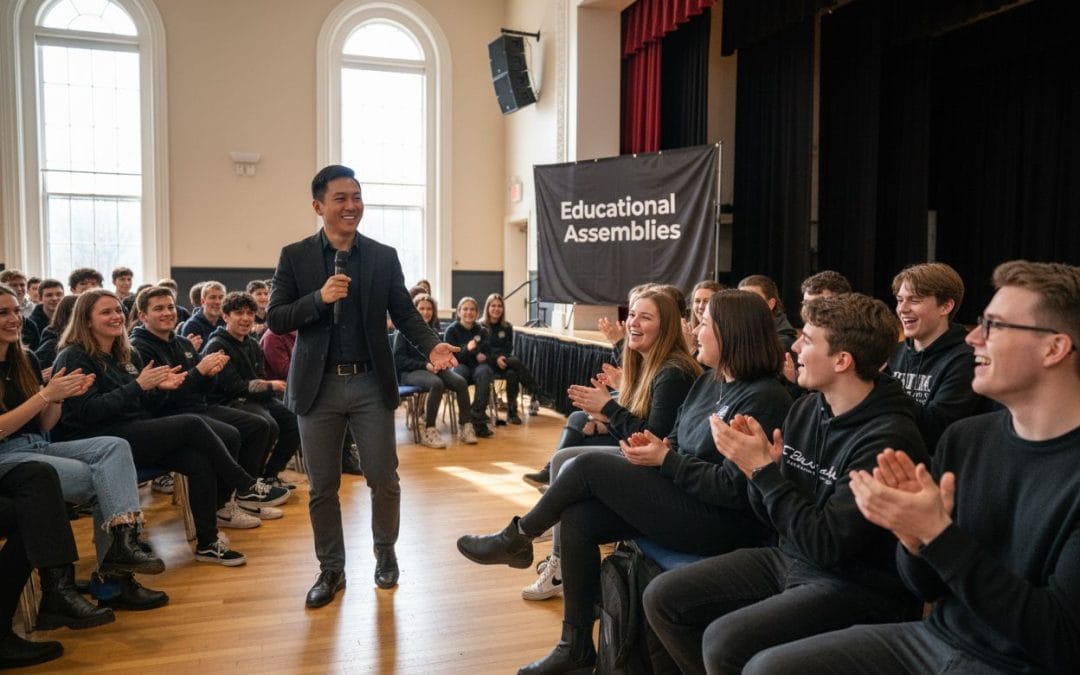
Educational assemblies bring the whole school together in one room and turn ordinary topics into unforgettable shared experiences. Most people think of these gatherings as just another break from class. Yet studies show that well-designed assemblies can boost student engagement and even improve school culture in measurable ways. This means an assembly could leave a bigger mark on students’ growth than an entire week of regular lessons.
Table of Contents
- What Are Educational Assemblies And Their Purpose?
- The Benefits Of Educational Assemblies For Students
- Enhancing Community Engagement Through Assemblies
- How Educational Assemblies Support Curriculum Goals
Quick Summary
| Takeaway | Explanation |
|---|---|
| Educational assemblies create unified learning environments. | They engage the whole school, promoting engagement and shared experiences in learning. |
| Interactive formats enhance student retention and critical thinking. | Using storytelling and demonstrations, assemblies deepen cognitive processing and understanding of complex concepts. |
| Assemblies promote social and emotional development. | They foster interpersonal skills like empathy and communication through shared learning experiences. |
| Community engagement strengthens school relationships. | Inviting families and community leaders nurtures trust and collaboration between stakeholders. |
| Assemblies support and enrich existing curriculum goals. | They bridge theoretical knowledge with practical application through immersive and interactive presentations. |
What Are Educational Assemblies and Their Purpose?
Educational assemblies represent powerful collective learning experiences designed to engage students through dynamic, large-group presentations that transcend traditional classroom instruction. These events bring entire school populations together to explore critical topics, inspire learning, and create shared educational moments.
Defining Educational Assemblies
An educational assembly is a structured school-wide gathering that goes beyond standard curriculum delivery. Learn more about the purpose of school assemblies that focus on delivering impactful educational content through engaging performance formats. These programs typically involve professional presenters who use interactive techniques like storytelling, live demonstrations, music, or theatrical performances to communicate important academic, social, or character development messages.
Key Characteristics of Educational Assemblies
Educational assemblies distinguish themselves through several unique attributes:
- Whole school participation that creates a unified learning environment
- Interactive presentations that capture student attention
- Topics ranging from academic subjects to social emotional learning
- Professional presenters with specialized expertise in education and entertainment
- Designed to complement existing classroom curriculum
Research from The National Association of School Psychologists indicates that well-designed assembly programs can significantly enhance student engagement, promote positive school culture, and support comprehensive learning objectives. By bringing students together in a shared experience, these assemblies create opportunities for collective understanding and inspiration that extend far beyond traditional teaching methods.
To clarify the distinct features of educational assemblies, the following table summarizes their essential characteristics and how they differentiate from traditional classroom activities.
| Characteristic | Description |
|---|---|
| Whole School Participation | Involves all students, fostering a unified school community. |
| Interactive Presentations | Uses storytelling, demonstrations, music, or performance to enhance engagement. |
| Range of Topics | Covers academic subjects, social emotional learning, cultural awareness, and more. |
| Professional Presenters | Led by experts skilled in both educational content and entertainment. |
| Curriculum Complement | Designed to reinforce and enrich standard classroom instruction. |
| Shared Educational Experience | Creates memorable, collective moments that go beyond individual learning. |
| Focus on Student Engagement | Prioritizes boosting participation, curiosity, and school culture. |
The purpose of educational assemblies is multifaceted. They serve not just as informational events, but as transformative experiences that can spark curiosity, challenge perspectives, and motivate students to think critically about complex subjects. Whether addressing scientific concepts, cultural awareness, character development, or current social issues, these assemblies provide a unique platform for holistic student learning and personal growth.
The Benefits of Educational Assemblies for Students
Educational assemblies offer transformative learning experiences that extend far beyond traditional classroom instruction, delivering significant developmental benefits for students across multiple dimensions of academic and personal growth.
To help visualize the different areas of student development impacted by educational assemblies, the table below organizes the main benefits across academic, social, and emotional domains.
| Benefit Area | Description |
|---|---|
| Academic | Enhances retention, stimulates critical thinking, exposes students to interdisciplinary connections. |
| Cognitive | Deepens understanding through multisensory and experiential learning activities. |
| Social | Fosters peer collaboration, breaks down barriers, and builds a sense of community. |
| Emotional | Encourages empathy, supports emotional intelligence, and provides safe spaces for personal growth. |
| Holistic Learning | Integrates various learning styles and real-life applications to support overall student development. |
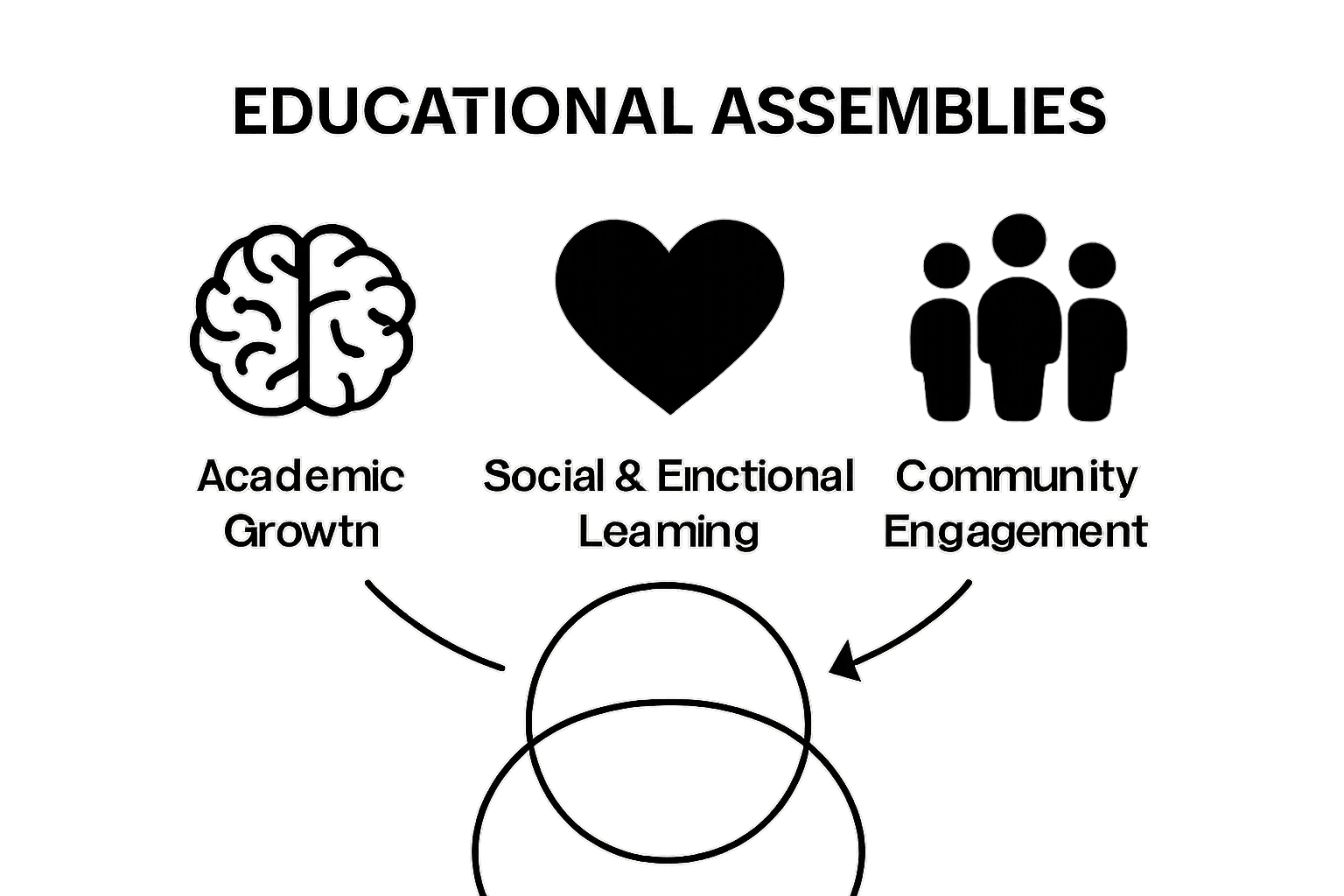
Academic and Cognitive Enhancement
Explore the best activities for high school assemblies that stimulate intellectual curiosity and critical thinking. Educational assemblies provide students with novel learning environments that challenge their existing knowledge frameworks, encouraging deeper cognitive processing. By presenting information through dynamic, interactive formats, these programs help students develop:
- Enhanced information retention through multisensory learning experiences
- Improved critical thinking and analytical skills
- Exposure to complex concepts beyond standard curriculum
- Opportunities for interdisciplinary learning connections
Social and Emotional Learning Benefits
Beyond academic advantages, educational assemblies play a crucial role in students’ social and emotional development. According to research from the American Psychological Association, these programs create structured environments for developing critical interpersonal skills. Students learn valuable lessons about empathy, communication, and collaborative engagement through shared experiences that foster a sense of community and mutual understanding.
The collective nature of assemblies allows students to simultaneously experience learning, creating powerful moments of shared discovery. This approach helps break down social barriers, encourages peer interaction, and supports the development of emotional intelligence. By addressing topics like character development, cultural awareness, and social challenges, educational assemblies provide safe spaces for students to explore complex social concepts and personal growth strategies.
Ultimately, educational assemblies represent more than just informational events.
They are strategic educational interventions designed to inspire, educate, and transform student perspectives, offering comprehensive learning experiences that nurture intellectual, social, and emotional development in ways traditional classroom instruction cannot achieve.
Enhancing Community Engagement through Assemblies
Educational assemblies serve as powerful platforms for strengthening connections between schools, students, families, and broader community networks. These collective experiences transcend traditional educational boundaries, creating opportunities for shared learning, mutual understanding, and collaborative growth.
Building Stronger School Relationships
Learn more about interactive assembly approaches that foster meaningful community interactions. School assemblies provide unique venues for stakeholders to come together, share experiences, and develop a unified educational vision. By creating transparent, engaging environments, these events help break down communication barriers and establish trust between educators, students, and parents.
Key strategies for community engagement through assemblies include:
- Inviting parents and community leaders as special guests
- Showcasing student achievements and collaborative projects
- Creating opportunities for dialogue and shared learning experiences
- Demonstrating school values and educational philosophies
- Promoting transparency in educational approaches
Expanding Social Capital
Research from The National School Climate Center highlights that effective school assemblies can significantly enhance social capital within educational ecosystems. These events create platforms for diverse community members to interact, share perspectives, and develop mutual understanding beyond traditional academic settings.
By intentionally designing assemblies that reflect community diversity and address shared challenges, schools transform these gatherings from passive events into dynamic engagement opportunities. They become spaces where cultural understanding flourishes, social connections strengthen, and collective educational goals gain momentum. Through carefully curated presentations, performances, and interactive sessions, assemblies invite community members to see education as a collaborative journey rather than an isolated institutional experience.
Ultimately, educational assemblies represent more than scheduled gatherings. They are strategic interventions that weave together individual experiences, institutional goals, and community aspirations into a cohesive, interconnected educational narrative.
How Educational Assemblies Support Curriculum Goals
Educational assemblies are strategic tools that extend and enrich traditional classroom learning, providing dynamic supplemental experiences that directly align with and enhance existing curriculum objectives. These comprehensive programs offer innovative approaches to delivering complex educational content across multiple disciplines and learning domains.
Bridging Theoretical and Practical Learning
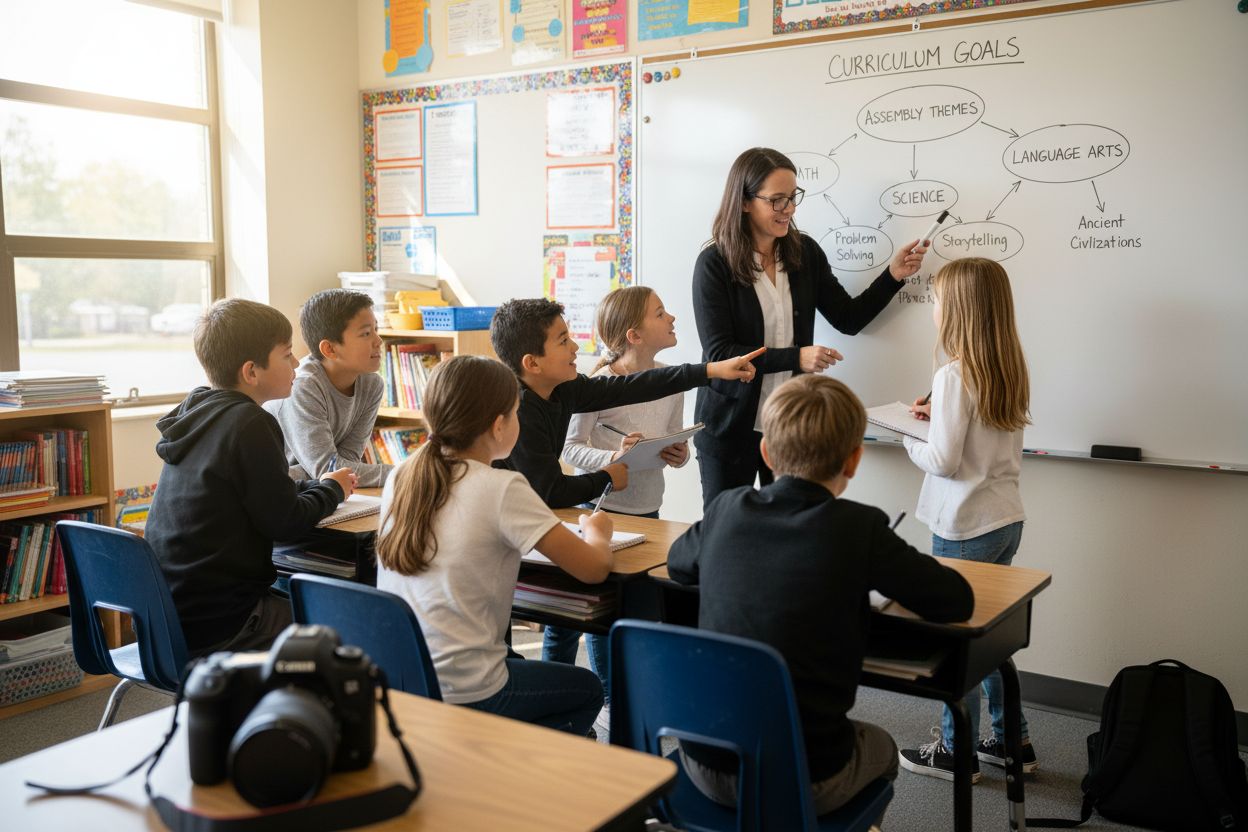
Discover how assemblies can be customized to support specific curriculum themes and create meaningful educational connections. By presenting academic concepts through engaging, interactive formats, educational assemblies help transform abstract theoretical knowledge into tangible, memorable learning experiences that resonate with students across different learning styles.
Key ways assemblies support curriculum goals include:
- Reinforcing core academic concepts through experiential learning
- Providing real world context for classroom theoretical knowledge
- Creating interdisciplinary learning connections
- Offering multimedia and multi-sensory learning approaches
- Supporting standardized learning objectives through alternative instruction methods
Enhancing Comprehensive Educational Strategies
Research from The Education Trust demonstrates that supplemental educational experiences like assemblies can significantly improve student engagement and knowledge retention. These programs allow educators to expand learning boundaries beyond traditional classroom constraints, introducing students to complex concepts through immersive, interactive presentations that spark curiosity and critical thinking.
By strategically designing assemblies that complement existing curriculum frameworks, schools can create holistic educational experiences that address multiple learning objectives simultaneously. These programs serve as powerful supplements to standard instructional methods, offering students unique opportunities to explore academic concepts through performance, storytelling, demonstration, and collaborative interaction.
Ultimately, educational assemblies represent more than standalone events. They are carefully crafted educational interventions that bridge gaps between theoretical knowledge and practical understanding, transforming how students perceive and interact with complex academic content.
Ignite Collective Learning: Book Transformative Educational Assemblies Today
Are you searching for meaningful ways to inspire students and energize your school community? This article clearly shows that traditional teaching methods sometimes fall short in sparking curiosity, building social skills, and supporting your curriculum goals. Educational assemblies fill this gap by delivering shared, dynamic experiences that connect learning with real life and foster positive school culture. Many schools struggle to find high-quality programs that are both engaging and educational. You want memorable experiences that go beyond the classroom and truly resonate with students of all ages.
Join the thousands of educators who trust Academic Entertainment to deliver interactive school assemblies tailored for K-12 environments. Explore our customizable assembly programs for any school theme and see real impact through high school assembly activities that spark discussion and build school spirit. Do not miss your chance to book a program that brings your curriculum to life and builds community. Visit our website for solutions that engage, educate, and elevate your school now.
Frequently Asked Questions
What are educational assemblies?
Educational assemblies are school-wide gatherings that provide engaging learning experiences, often featuring professional presenters who use interactive formats like storytelling, music, or demonstrations. They aim to inspire students and complement classroom instruction.
How do educational assemblies enhance student learning?
Educational assemblies enhance student learning by providing multisensory experiences that improve information retention and critical thinking. They also expose students to complex subjects and interdisciplinary connections beyond the standard curriculum.
What types of topics are typically covered in educational assemblies?
Educational assemblies can cover a wide range of topics, including academic subjects, social-emotional learning, cultural awareness, character development, and current social issues, providing a holistic approach to student education.
How can schools measure the success of an educational assembly?
Schools can measure the success of an educational assembly through student engagement levels, feedback surveys, and observing changes in student attitudes and understanding of the topics covered, alongside academic performance related to the assembly themes.
Recommended
- What’s The Purpose Of An All-School Assembly – Academic Entertainment
- The End-of-Year School Assembly: A Fest for the Love of Reading – Academic Entertainment
- What are the benefits of morning school assemblies? – Academic Entertainment
- What Makes Your Assemblies Different from Others? Explained – Academic Entertainment